Abstract Boho Neutral Patterns: A Comprehensive Evaluation
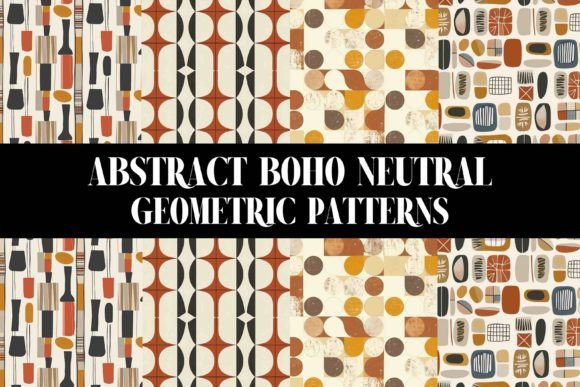
In the realm of digital design and crafting, the demand for versatile, aesthetically pleasing resources is constant. One specific category that has gained significant traction among designers, scrapbookers, and DIY enthusiasts is Abstract Boho Neutral Patterns. This collection represents a convergence of modern geometric precision with the organic, earthy tones characteristic of bohemian style. The core offering in this space often takes the form of a curated digital paper pack, typically comprising a set number of unique designs—such as a collection of 18 distinct patterns—that utilize a cohesive color palette.
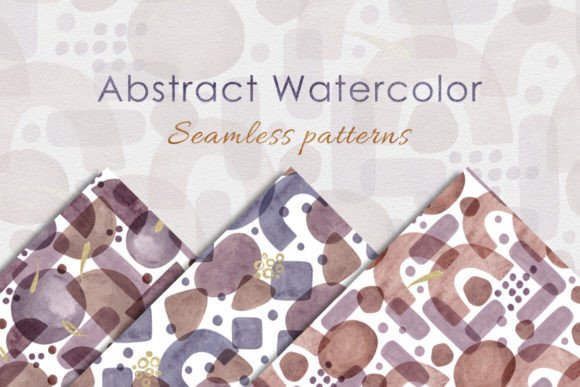
Understanding what these patterns entail and how they function within a creative workflow is essential before making a selection. Unlike solid colors or simple textures, abstract boho neutral patterns offer a layer of complexity through their composition. They feature geometric shapes, lines, and tiles arranged in ways that evoke a sense of movement and rhythm without overwhelming the eye. The "neutral" aspect refers to the use of muted earth tones, such as beige, taupe, soft terracotta, sage green, and warm grays. These colors are chosen specifically for their ability to blend seamlessly with a wide variety of other design elements, making them a foundational choice for many projects.
Why Consider Abstract Boho Neutral Patterns?
Individuals seeking to incorporate these patterns into their work often do so for reasons rooted in versatility and visual harmony. The primary appeal lies in the balance between structure and softness. Geometric patterns provide a clean, organized look, while the boho influence introduces an element of warmth and approachability. When combined with a neutral palette, the result is a design language that feels contemporary yet timeless.
For those evaluating different digital assets, the benefits of this specific style include:
- Design Cohesion: Because the patterns share a unified color story, mixing and matching different designs from the same pack ensures that the final project remains visually consistent.
- Scalability: Digital papers allow users to scale patterns up or down without losing quality, which is crucial for both small craft items and large-scale prints.
- Adaptability: The neutral nature of the palette means these patterns can serve as backgrounds, accents, or primary focal points depending on the desired outcome.
Furthermore, the abstract nature of the designs allows them to transcend specific themes. While some patterns might lean towards a mid-century modern aesthetic, others may feel more rustic or Scandinavian. This flexibility makes the collection suitable for a broad range of applications, from wedding invitations and stationery to home decor mockups and digital scrapbooking layouts.
Evaluating the Practical Applications
When determining if this resource aligns with your goals, it is helpful to consider the specific types of projects where these patterns excel. The most common use case involves Digital Scrapbooking. In this context, the 18-pattern pack offers ample variety to create diverse layouts without needing to source multiple disparate files. Users can layer text over the patterns or use them as photo mats to frame memories effectively.
DIY Crafting and Printables represent another strong fit. If you are creating physical items such as gift tags, wrapping paper, or cardstock templates, having a high-resolution digital file allows for immediate printing. The mix-and-match capability mentioned in product descriptions is particularly valuable here; a crafter might use a bold geometric tile pattern for a border and a softer, more subtle abstract shape for the background of the same card.
In the realm of Web and Graphic Design, these patterns serve as excellent texture overlays. They can add depth to flat designs, breaking up large blocks of white space or providing a sophisticated backdrop for typography. The neutral tones ensure that text remains legible and that the design does not appear cluttered or dated.
Tradeoffs and Considerations
While the benefits are clear, a balanced evaluation requires acknowledging potential tradeoffs. One consideration is the level of detail required in the intended project. Abstract patterns, by definition, contain intricate details. If the goal is to create a very minimalist design where the pattern should be almost invisible, these tiles might be too busy. Conversely, if the project requires a stark, industrial look, the warmth of the boho palette might feel out of place.
Another factor is the file format and resolution. While digital packs are generally convenient, users must ensure the provided files meet the DPI (dots per inch) requirements for their specific printer or screen. A pattern that looks perfect on a monitor may appear pixelated if printed at a large scale without proper vector support or high-resolution raster files. It is also worth noting that once a digital pack is purchased, the user is locked into that specific aesthetic. If a project evolves to require a vibrant, high-contrast color scheme, the neutral palette of this collection may limit creative options unless layered heavily with other elements.
Situations Where Alternatives May Be Preferred
There are scenarios where Abstract Boho Neutral Patterns might not be the optimal choice. For instance, if a designer is working on a brand identity for a tech startup that requires sharp, neon, or highly saturated colors, a neutral boho palette would likely clash with the brand's voice. Similarly, for projects targeting a youthful demographic where bright, playful, or cartoonish imagery is the norm, the sophistication of boho geometry might feel too mature or subdued.
Additionally, if the budget is extremely constrained, purchasing a dedicated pack of 18 patterns might be less cost-effective than finding free, single-use textures online. While the curated nature of a pack saves time, free resources may suffice for hobbyists who only need one or two specific designs rather than a comprehensive collection. Finally, for users who require fully editable vector files (such as SVG or AI formats) to manipulate individual shapes, standard digital paper packs (often JPG or PNG) may lack the necessary editability.
Making the Final Decision
To determine if this collection is the right investment, readers should assess their current inventory and upcoming project needs. Ask yourself: Do I have enough variety in my existing digital papers, or am I running low on cohesive options? Will the neutral tones complement the photos or graphics I plan to include? Is the price point justified by the number of unique designs offered?
If the answer to these questions leans towards a need for organization, variety, and a timeless aesthetic, then a collection featuring Abstract Boho Neutral Patterns is likely a strong fit. The ability to mix and match tiles allows for endless combinations, ensuring that the creativity flourishes without the risk of clashing colors. However, if the project demands high saturation, extreme minimalism, or full vector editing capabilities, exploring alternative resources tailored to those specific constraints would be a prudent step.
Ultimately, the value of this type of digital asset lies in its ability to streamline the creative process. By providing a pre-vetted set of harmonious designs, it removes the guesswork from color theory and pattern scaling. Whether used for personal hobbies or professional client work, these patterns offer a reliable foundation upon which unique and artistic creations can be built.