Abstract Geometric Shapes Patterns: Strategic Design for Modern Branding
In a digital landscape saturated with visual noise, the ability to communicate clarity and sophistication is paramount. Abstract Geometric Shapes Patterns offer more than mere decoration; they provide a structural language that can elevate brand identity, streamline user experience, and convey complex messages through simple, repeatable forms. For entrepreneurs, marketers, and creative professionals, understanding how to leverage these elements is not just an aesthetic choice but a strategic decision that impacts long-term results.
The essence of contemporary style lies in its versatility. By integrating high-resolution, seamless patterns into your workflow, you create a cohesive visual ecosystem that resonates across various touchpoints. Whether you are designing a product line, crafting marketing materials, or developing a corporate identity, the precision of geometric forms ensures consistency—a critical factor in building trust and recognition among your audience.
The Strategic Value of Geometric Precision
Why do abstract geometric shapes hold such sway in modern design? The answer lies in cognitive processing. Humans are wired to recognize patterns, and geometric arrangements trigger a sense of order, stability, and logic. When used intentionally, Abstract Geometric Shapes Patterns can reduce cognitive load for your customers, making your content easier to digest and your brand message more memorable.
For small business owners and freelancers, this translates to operational efficiency. Instead of creating unique assets for every single project, utilizing a library of versatile, seamless patterns allows for rapid deployment of high-quality designs. This approach supports productivity by reducing the time spent on asset creation while maintaining a professional standard. It enables decision-makers to scale their output without diluting the quality of their visual communication.
Furthermore, these patterns serve as a neutral yet dynamic backdrop that can adapt to changing trends without losing their core identity. A well-chosen geometric motif can bridge the gap between traditional values and modern innovation, positioning your brand as forward-thinking while remaining grounded in established design principles.
Technical Specifications as a Foundation for Quality
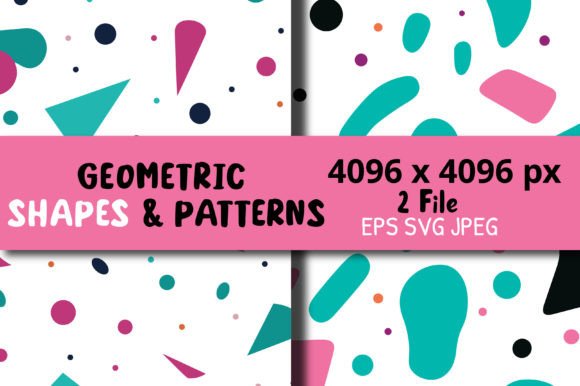
Strategic design begins with the right tools. The specifications provided—4096 x 4096 pixels at 300 DPI—represent the industry standard for high-fidelity reproduction. This level of detail is not merely about resolution; it is about ensuring that your brand looks impeccable whether displayed on a mobile screen or printed on a large-format banner.
- Resolution and Clarity: High pixel counts ensure that edges remain sharp and details remain crisp upon scaling. This prevents the "pixelated" look that often undermines professional credibility.
- Color Modes: With CMYK color mode support, these files are optimized for physical printing. This eliminates the guesswork and color shifts often associated with converting RGB web graphics to print, saving costs on reprints and wasted materials.
- File Versatility: The inclusion of JPG, EPS, and SVG formats caters to different stages of the production process. SVGs allow for infinite scalability in web applications, while EPS files provide vector-based editing capabilities for professional graphic designers.
By investing in assets with these robust specifications, you are effectively future-proofing your design resources. This foresight is a hallmark of experienced practitioners who understand that the foundation of a successful campaign is built on reliable, high-quality components.
Application Scenarios: From Concept to Execution
The true power of Abstract Geometric Shapes Patterns emerges when applied to specific use cases. The following examples illustrate how these versatile elements can be integrated into diverse projects to achieve distinct strategic goals.
Product Development and Merchandising
For creators and manufacturers, the application of these patterns extends beyond the digital realm. Imagine applying a seamless geometric repeat to a line of eco-friendly bags or custom pillows. The pattern becomes a signature element of the product itself, adding value and visual interest without overwhelming the primary function of the item. This strategy works particularly well for children's room prints, where structured shapes can stimulate visual development while providing a calming, organized environment.
Similarly, in the beverage industry, coffee and tea packaging often benefit from the clean lines of geometric art. These patterns can differentiate a product on a crowded shelf, signaling a premium or artisanal quality. The ability to print these designs at local copy shops or large-scale facilities ensures that the final product matches the digital prototype exactly.
Marketing and Communication Materials
Marketers and bloggers frequently struggle with creating engaging content that stands out. Greeting cards, promotional flyers, and social media graphics are prime candidates for geometric integration. By using these patterns as backgrounds or overlays, you can create depth and texture that draws the eye to your call-to-action or key message.
Consider the scenario of a card-making business. Utilizing pre-designed, high-quality geometric templates allows for rapid customization. You can maintain a consistent brand voice across thousands of cards while varying the specific arrangement or color palette to suit different occasions. This balance of consistency and variety is essential for maintaining customer engagement over time.
Digital and Web Design
In the digital space, Abstract Geometric Shapes Patterns can enhance user interface (UI) design. Subtle background textures can guide user attention, separate content sections, or simply add a layer of sophistication to a minimalist layout. Because the files include SVG formats, these patterns can be implemented directly into code, ensuring they load quickly and render perfectly on any device resolution.
Decision-Making: When to Integrate and How to Approach
While the benefits are clear, indiscriminate use of geometric patterns can lead to visual clutter and a disjointed brand identity. To avoid this, decision-makers must adopt a thoughtful approach grounded in clear objectives.
Evaluating Context and Audience
Before incorporating these patterns, ask yourself: Does this align with our brand's personality? Are we aiming for a playful, energetic vibe or a serious, corporate tone? Geometric shapes are inherently versatile, but the specific angles, colors, and density of the pattern will dictate the emotional response. For instance, sharp, angular patterns might convey innovation and speed, suitable for tech startups, whereas softer, rounded geometric motifs may feel more approachable and organic, ideal for lifestyle brands.
Understanding your target audience is equally crucial. A pattern that appeals to a demographic of young, trend-conscious consumers might not resonate with a more conservative B2B audience. Strategic planning involves testing these visual elements against your specific market segments to ensure they drive the desired outcome.
Integration Strategies
To maximize impact, consider the following practical tips:
- Maintain Balance: Use the patterns as a supporting element rather than the main focus. Let them frame your content or highlight key areas without competing with typography or imagery.
- Ensure Consistency: Once a pattern is selected, use it consistently across all channels. This repetition builds familiarity and reinforces brand recall.
- Test Printability: Since the files are available in CMYK and high DPI, always run a physical test before mass production. Check how the colors translate from screen to paper and adjust if necessary.
Risks of Unintentional Application
Without clear goals, even the most beautiful design can become a liability. Relying on Abstract Geometric Shapes Patterns without a strategic plan can result in several pitfalls:
- Visual Fatigue: Overusing dense patterns can overwhelm the viewer, causing them to disengage with the content entirely.
- Brand Dilution: If the pattern does not align with your brand values, it can create confusion about what your company represents.
- Production Errors: Using low-resolution versions of these assets for large prints can lead to blurry outputs, damaging your reputation for quality.
To mitigate these risks, always start with a brief that outlines the purpose of the design. Is it to inform, persuade, or entertain? Let this objective guide your selection and application of the geometric elements.
Conclusion: Elevating Your Creative Output
In summary, Abstract Geometric Shapes Patterns represent a powerful tool in the arsenal of modern creators and business leaders. Their ability to combine technical precision with aesthetic appeal makes them indispensable for achieving better results in branding, product design, and communication.
By leveraging the high specifications of these assets—ranging from 4096x4096 pixel resolution to versatile file formats—you ensure that your work remains relevant and effective across multiple platforms. Whether you are designing t-shirts, greeting cards, or digital interfaces, the strategic application of these patterns can transform ordinary projects into extraordinary experiences.
As you move forward, remember that the goal is not just to use a pattern, but to use it wisely. Treat each design decision as an opportunity to refine your brand's narrative and connect more deeply with your audience. With thoughtful planning and intentional execution, these captivating elements will serve as the backbone of your creative success.