Seamless Cow Hide Patterns: A Practical Guide to High-Quality Digital Paper
If you are looking to add a touch of rustic charm or bold texture to your creative projects, Seamless Cow Hide Patterns offer a versatile solution that bridges the gap between traditional aesthetics and modern digital design. Whether you are a scrapbooking enthusiast documenting family memories, a small business owner creating unique invitations, or a web designer seeking distinctive backgrounds, these digital assets provide an immediate upgrade to your visual output. However, not all digital papers are created equal. The difference between a project that looks professional and one that appears pixelated or amateurish often comes down to the technical specifications of the file you choose.
The market is flooded with low-resolution images that claim to be "high quality" but fail under scrutiny. When you purchase Cow Print Digital Paper, you are investing in the foundation of your design. If that foundation is weak, no amount of creativity can save the final result. This guide focuses on what you need to know before downloading, ensuring you avoid common pitfalls that waste time and money.
Understanding Resolution and File Integrity
One of the most frequent mistakes creators make is ignoring the resolution settings when selecting digital paper. Many users assume that because an image looks fine on a computer screen, it will print perfectly. This assumption leads to disastrous results when scaling up for physical products like greeting cards, posters, or sublimation transfers. A true high-quality seamless pattern must be designed at 300 dpi (dots per inch). Without this standard, your prints will appear blurry, jagged, or muddy when viewed up close.
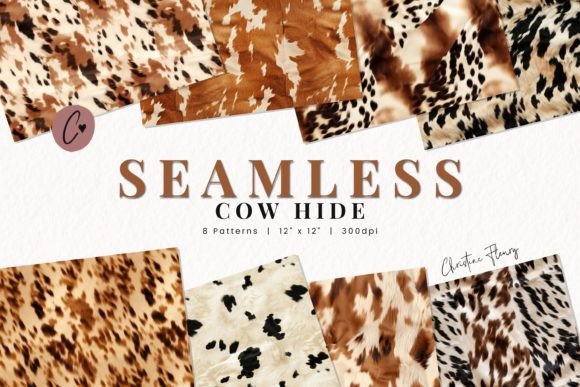
Consider the dimensions carefully. Standard digital paper is often 12″ x 12″, which is perfect for scrapbooking layouts. However, if you intend to use these patterns for large-scale sublimation or web backgrounds, you need files that support high pixel counts, such as 3600 x 3600px. Lower resolution files force you to stretch the image, which distorts the cow hide texture and ruins the seamless nature of the pattern. Always verify that the file dimensions match your intended output size before hitting the download button.
The Importance of Seamless Tiling
A pattern is only truly "seamless" if it can be repeated infinitely without visible breaks or edges. Beginners often struggle with this concept, assuming any cow print image works for tiling. In reality, many free or cheap images have hard lines where the image cuts off. When you tile these in software like Photoshop or Canva, you create obvious grid lines that scream "digital clipart." Seamless Cow Hide Patterns are engineered so that the edges align perfectly, allowing you to cover entire walls, websites, or book covers without interruption. Before purchasing, check a preview to ensure the texture flows naturally across the boundaries.
Selecting the Right Format for Your Workflow
File format matters just as much as resolution. You will typically receive individual images in .JPG format. While JPGs are universally compatible and easy to use, they are lossy compression formats. For simple background use or quick social media posts, they are usually sufficient. However, if you are a professional graphic designer working on complex layers, you might eventually need PNGs for transparency. For the specific purpose of Printable Highland Cow Paper used in sublimation or card making, JPGs at 300 dpi are generally the industry standard for their balance of quality and file size.
Another critical detail is the color profile. Some digital papers are optimized for RGB (screen) rather than CMYK (print). While many modern printers handle this conversion well, relying on unconverted RGB files can lead to colors appearing dull or washed out in the final print. Ensure the product description specifies that the files are ready for printing or that you have the capability to adjust the color profile in your design software.
Common Pitfalls in Usage and Application
Even with the correct files, how you apply them can determine the success of your project. A common error is using a single pattern for every element of a design. If you are creating a blog layout or a wedding invitation suite, overusing the same Seamless Cow Hide Patterns can make the design feel repetitive and overwhelming. Instead, treat these patterns as accents. Use them for borders, page backgrounds, or specific call-to-action buttons to draw attention without dominating the visual hierarchy.
For entrepreneurs selling physical goods, another mistake is underestimating the impact of lighting and texture. Digital cow prints look flat on a screen. When transferring this to fabric via sublimation or printing on cardstock, the perceived texture changes. It is wise to order a sample print first to see how the black and white contrast translates to your specific material. Sometimes, a pattern that looks crisp on a monitor may appear slightly gray on matte paper due to ink absorption.
Evaluating Variety and Consistency
When buying a pack, such as the set containing 8 individual digital papers, do not assume all eight are equally useful. Some sets include variations that are too similar, offering little creative flexibility. A high-quality collection should offer distinct variations in scale, density, or style—perhaps mixing classic black-and-white hides with more stylized Highland cow textures. Check the thumbnails closely to ensure there is enough variety to keep your projects fresh. If seven of the eight images look identical, you are paying for redundancy rather than value.
Maximizing Value for Different Creators
Scrapbookers should focus on the ability to crop and layer. With 300 dpi resolution, you can cut out specific sections of the cow hide pattern to frame photos without losing edge quality. Bloggers and Web Designers benefit from the lightweight nature of JPGs, ensuring fast load times while maintaining visual appeal. For Marketers and Small Business Owners, these patterns are excellent for creating branded packaging, promotional flyers, or digital ad backgrounds that stand out in a crowded feed.
Education professionals can also leverage these designs for classroom materials, worksheets, or presentation slides that require a fun, engaging aesthetic without looking childish. The key is to maintain a balance; use the pattern to enhance the content, not distract from it. If you are designing educational materials for younger children, the playful nature of a cow print can be delightful, but for older students or professional contexts, opt for more subtle, monochromatic versions.
Final Checklist Before You Download
To ensure you get the best results from your purchase, run through this quick mental checklist before finalizing your transaction:
- Verify Dimensions: Confirm the file is at least 3600 x 3600px for high-resolution needs.
- Check DPI: Ensure the design is set to 300 dpi for crisp printing.
- Review Variations: Look for distinct differences between the included patterns to maximize your design options.
- Test the Tile: If possible, preview how the pattern repeats to ensure there are no visible seams.
- Match the Purpose: Choose a file type (JPG) that fits your workflow, whether it's sublimation, card making, or web design.
By focusing on these technical details and understanding the practical applications of Seamless Cow Hide Patterns, you can elevate your projects from simple drafts to polished, professional creations. Whether you are crafting a handmade gift or building a brand identity, the right digital paper provides the texture and character needed to make your work memorable. Take the time to evaluate the quality, respect the resolution limits, and apply the patterns thoughtfully to achieve the best possible outcome.